
Table of Contents
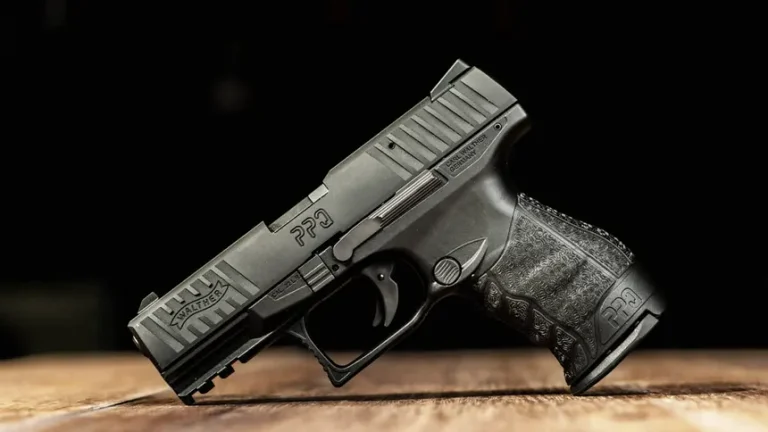
The Walther PDP Compact is part of Walther’s Performance Duty Pistol family, a modern line of semi-automatic handguns built around ergonomics, modularity, and compatibility with contemporary sighting systems. The PDP platform incorporates several features that distinguish it from earlier Walther designs, including an optics-ready slide, interchangeable grip components, textured controls, and Walther’s Performance Duty Trigger.
For people researching the walther pdp compact, understanding the platform’s design, specifications, and place within Walther’s handgun lineup provides useful context before comparing it with other models.
What Is the Walther PDP Compact?
The Walther PDP, short for Performance Duty Pistol, was introduced as a modern striker-fired handgun platform. The Compact configuration combines a full-size-style grip with a shorter slide and barrel configuration, creating a format that sits between larger duty-oriented pistols and smaller compact handguns.
The PDP Compact is chambered in 9mm × 19 in its standard configuration and uses a polymer frame with a striker-fired operating system. Walther’s documentation identifies interchangeable grip sizes, a reversible magazine release, and an optics-ready slide among the platform’s design features.
The Walther PDP Compact 9mm Optics Ready Pistol provides a useful reference for the particular configuration being discussed.
Optics-Ready Design
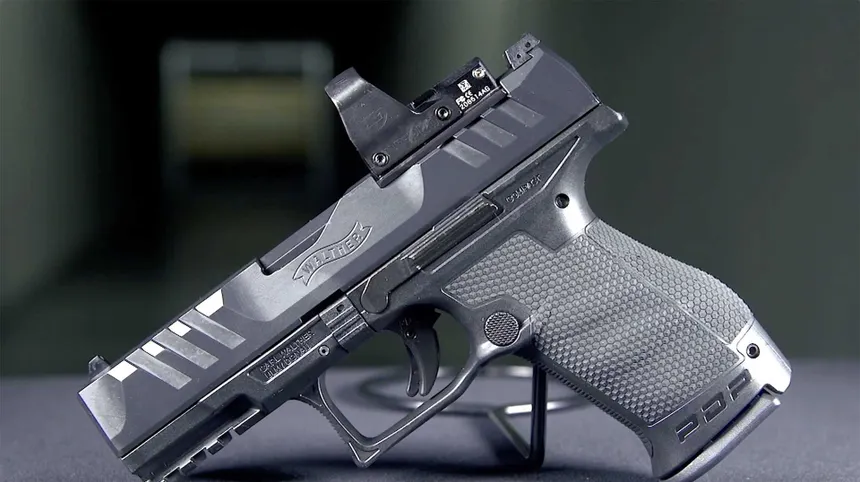
One of the most recognizable characteristics of the PDP platform is its optics-ready configuration. Modern handgun designs increasingly accommodate compact reflex sights, and the PDP was developed with this type of sighting system in mind.
An optics-ready slide provides a mounting interface for compatible pistol optics without requiring the basic slide design to be modified. The exact mounting plate and compatibility requirements depend on the particular PDP configuration and optic being considered.
This feature is particularly relevant when comparing the PDP Compact with older handgun platforms that were originally designed primarily around traditional iron sights.
Performance Duty Trigger
The Performance Duty Trigger is another major component of the PDP’s design. Walther developed the trigger system as part of the broader Performance Duty concept, with an emphasis on a defined trigger break and short reset.
According to Walther’s technical documentation, the PDP Compact uses a striker-fired mechanism and a trigger system designed specifically for the PDP platform.
Trigger characteristics can differ between handgun designs, which is why specifications such as trigger travel and pull weight are often included when comparing models. However, published specifications should always be checked against the documentation for the exact model and production configuration.
Ergonomics and Grip Design
Ergonomics are a significant part of the PDP’s design philosophy. The pistol features a textured polymer grip intended to provide a secure interface between the user’s hand and the frame.
The PDP platform also uses interchangeable grip components. Different grip sizes can accommodate differences in hand dimensions and individual preferences.
The frame includes textured areas and carefully shaped controls, while the slide features distinctive serrations intended to provide additional surface area for manipulation.
These features contribute to the visual identity of the PDP and distinguish it from several earlier Walther handgun designs.
Walther PDP Compact Specifications
The exact specifications can vary depending on the particular PDP Compact variant. A typical 9mm configuration includes the following characteristics:
| Specification | Walther PDP Compact |
|---|---|
| Manufacturer | Walther |
| Platform | Performance Duty Pistol |
| Caliber | 9mm × 19 |
| Operating system | Striker-fired |
| Frame material | Polymer |
| Standard configuration | Compact |
| Magazine capacity | 15 rounds in the referenced configuration |
| Trigger system | Performance Duty Trigger |
| Optics | Optics-ready configuration |
| Grip system | Interchangeable grip components |
| Magazine release | Reversible |
Specifications can differ between individual models and markets. For that reason, the manufacturer’s documentation should be consulted for the precise configuration.
PDP Compact Compared With Other Walther Handguns
The PDP Compact occupies a specific position within Walther’s semi-automatic handgun lineup. Its design reflects the industry’s movement toward optics compatibility, modular ergonomics, and modern striker-fired mechanisms.
It is also useful to distinguish the PDP from other Walther families. The company’s lineup has included several generations of semi-automatic pistols, each with different operating systems, frame designs, dimensions, and intended applications.
Those researching the wider range can explore the Walther semi-automatic handgun collection for additional model information.
The Walther Gun Store also provides an overview of the broader Walther product range, while the shop section organizes the site’s available categories.
Why the PDP Compact Is Notable
The PDP Compact brings together several features that have become increasingly common in contemporary handgun design. These include an optics-ready slide, interchangeable grip components, polymer construction, a striker-fired operating system, and a manufacturer-specific trigger system.
Rather than being defined by one feature, the PDP Compact is best understood as a combination of these design elements. Its compact configuration also gives it a distinct position within the PDP family.
For additional industry and firearm information, readers may also consult Browning Gun Shop.
Final Thoughts
The Walther PDP Compact represents Walther’s approach to the modern compact semi-automatic pistol. Its design combines a polymer frame, striker-fired mechanism, Performance Duty Trigger, optics-ready slide, and interchangeable grip components.
When comparing the PDP Compact with other handguns, it is important to examine the exact model designation because barrel length, magazine capacity, optics configuration, and other specifications can vary.
Anyone handling or owning a firearm should follow applicable laws, manufacturer instructions, and established firearm-safety practices. Manufacturer documentation should remain the primary source for operation, maintenance, specifications, and safety information.